


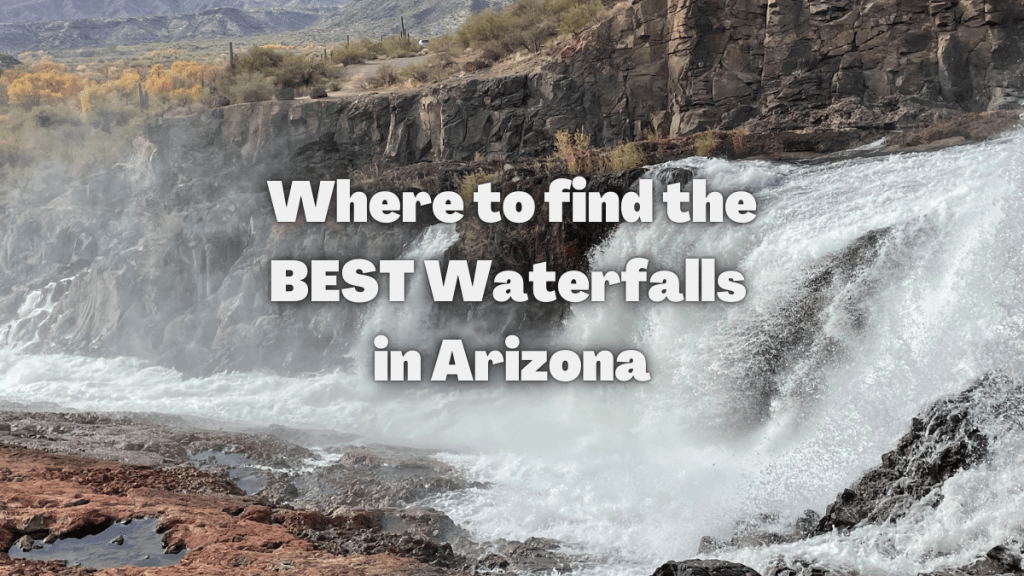
Arizona is famous for its dry heat and desert landscape, but did you know we also have some of the most BREATHTAKING waterfalls in the Southwest? When we moved to Arizona two years ago, I was honestly shocked to find so many amazing waterfalls all over the state. So whether you’re a native Arizona explorer or coming to our lovely state on vacation, here is your guide, highlighting where to find the BEST waterfalls in Arizona, along with essential details and tips for visiting each one.
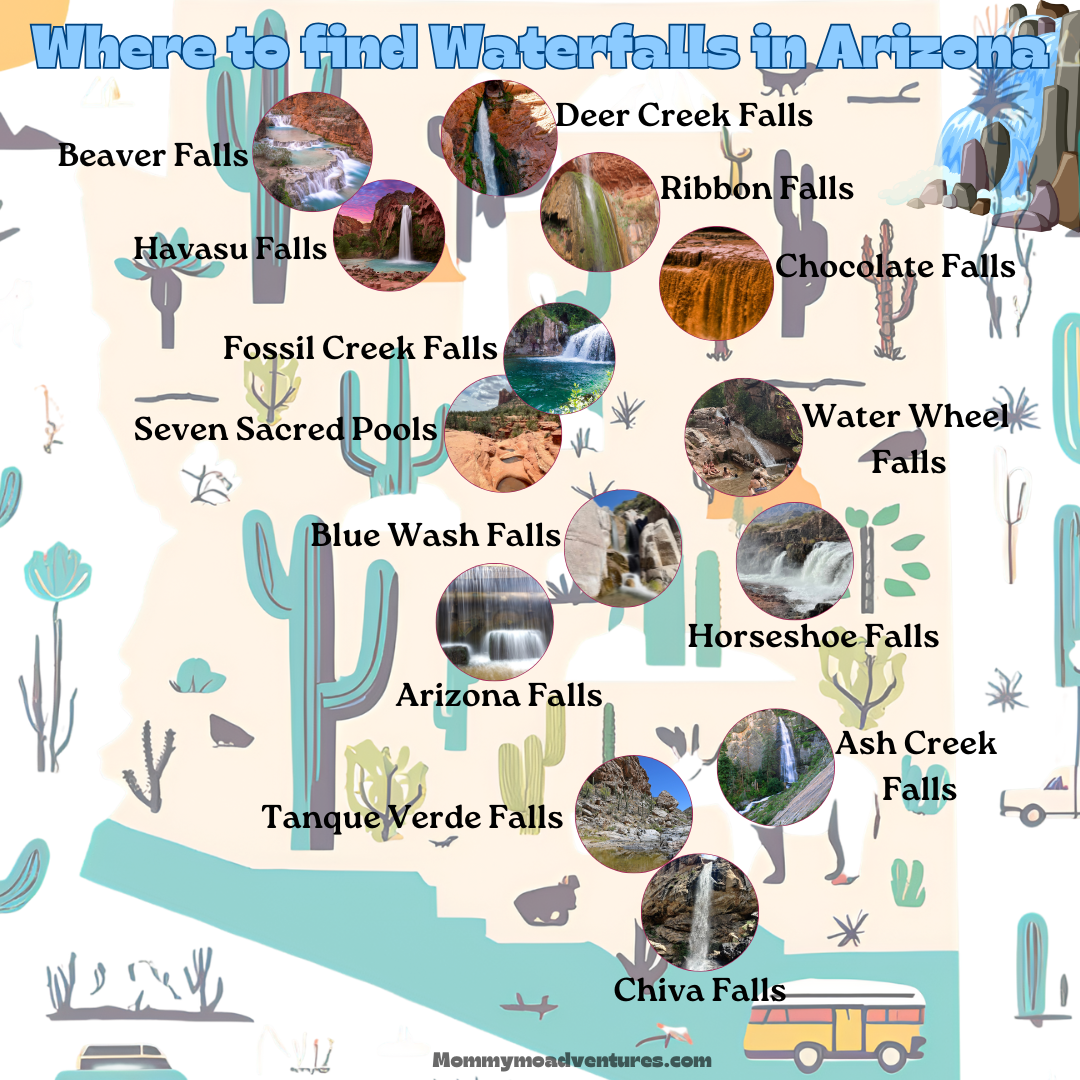
Where to find Waterfalls in Arizona
Before we get into the specifics of each waterfall, let’s take a general look at where they lie. As you can see from the map I’ve made, you waterfalls can be found throughout the state, from the northern border with Utah all the way down to the southern border near Mexico.
Havasu Falls – one of the best waterfalls in Arizona
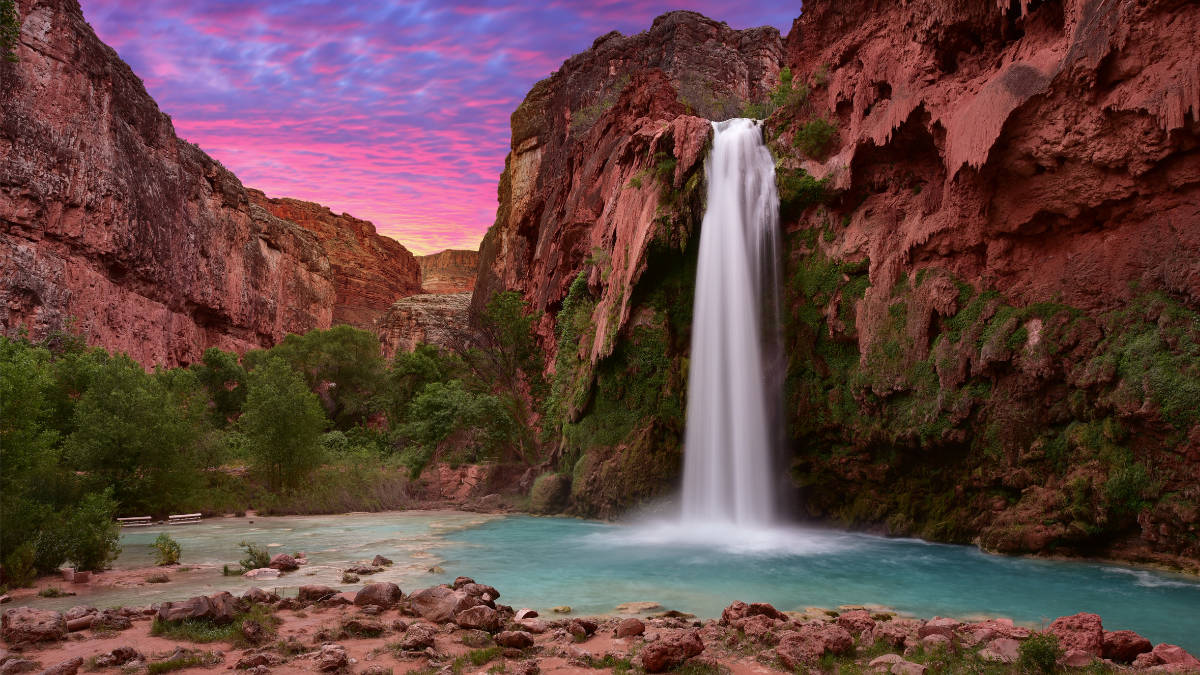
Located inside the Havasupai Indian Reservation and the Grand Canyon, Havasu Falls are the crem-de-la-crem of Arizona falls. And dare I say, the top in the entire country. But if you’re looking to see these spectacular falls, there are a few things you need to know.
Why It’s Special:
Havasu Falls is one of the most iconic waterfalls in Arizona, with its stunning turquoise waters that contrast beautifully against our red rock canyons. It is located within the Havasupai Indian Reservation, so visiting requires a permit and an overnight stay. Access is strictly limited to preserve the natural beauty of the area.
How to Get There:
The journey requires a challenging 10-mile hike each way, so proper preparation is essential. Visitors should bring plenty of water, wear sturdy hiking gear, and be prepared for overnight camping, as day trips are not allowed. Reservations typically fill up quickly, so plan your trip well in advance to secure your spot in this breathtaking paradise.
Where to Stay:
There are two options for your trip to Havasu Falls. You can either camp or stay at the Lodge during your overnight stay. The campground has composting toilets, but no showers but do require reservations.
Havasu Falls Tips:
- The official season runs from February through November. December and January are closed to the public.
- Permits are required and sell out fast (usually months in advance). You can book on the official Havasupai website BEFORE February.
- The best time to visit is Spring or Fall when the weather isn’t as hot as in summer.
- Bring plenty of water, snacks, IDs, and proper hiking gear as the hike is challenging.
- The Falls belong to the Havasupai tribe, so following tribe rules are important.
Mooney Falls
Mooney Falls is actually the tallest waterfall in the Havasupai region. It plunges around 200 feet down a rugged cliffside, making it a must-see for those visiting Havasu Falls. (And twice as tall as Havasu Falls.)
Why It’s Special:
The descent to Mooney Falls is seriously an adventure in itself. With a steep and slippery path that includes tunnels, ladders, and chains, it’s about a mile from Havasu Falls. While the trek can be intimidating (yes, there is a Descend at own risk sign), the reward is worth it.
How to Get There:
From Havasu Falls, the trek to Mooney is just about a mile. But because of its challenging terrain, it can take much longer to arrive than a typical mile hike. It all depends on the level of hiker you are under strenuous conditions. .
Where to Stay:
There are two options for your trip to Havasu Falls. You can either camp or stay at the Lodge during your overnight stay. You can actually pitch a tent pretty much anywhere between Havasu and Mooney since the campground isn’t designated.
Mooney Falls Tips:
- Because of its challenging terrain, it’s recommended that only experienced hikers attempt the descent.
- Permits are required and sell out fast (usually months in advance). You can book on the official Havasupai website BEFORE February.
- Start early in the morning and wear water shoes
- If you have a fear of heights, this is NOT for you!
- Bring plenty of water, snacks, IDs, swimwear and proper hiking gear.
- The Falls belong to the Havasupai tribe, so following tribe rules are important.
Beaver Falls
Beaver Falls is another spectacular fall located inside the Havasupai Indian Reservation, meaning you’ll need a permit to see this one too. It’s located about 3.5 miles from Havasu Falls so many people combine the two falls together on one trip.
Why It’s Special:
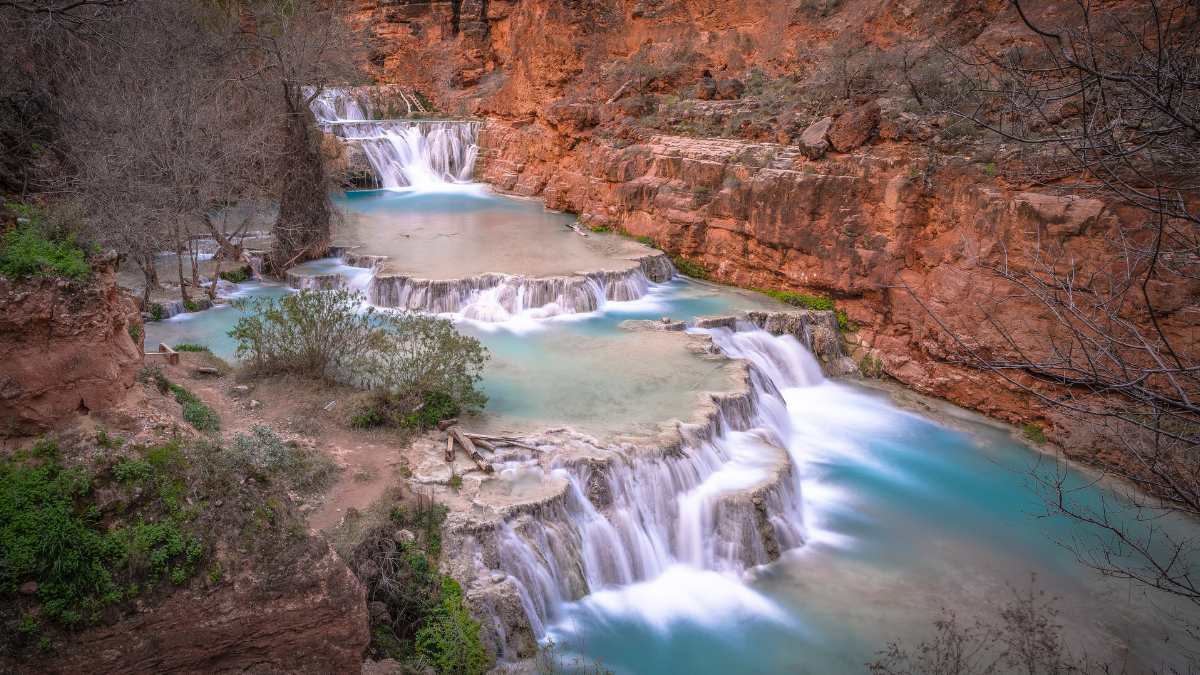
Beaver Falls is known for its multi-tiered cascading and limestone terraces that provide stunning swimming pools. And although it gets overshadowed by Havasu Falls, it’s seriously one of the most beautiful places in Arizona. Exploring Beaver Falls offers less crowds compared to its more famous neighbor, which is why many people opt to add the extra trek. Swimming in the gorgeous, clear pools beneath the falls is the refreshing reward after the long hike.
How to Get There:
Just as to Havasu and Mooney, the journey to Beaver Falls requires additional hiking.Grom Mooney Falls, it’s an additional 3.5 miles, filled with creek crossings, rock scrambling and navigating through beautiful canyon landscapes. The trek can be quite strenuous, so bring plenty of water, snacks, and hiking gear.
Where to Stay:
The same options for Havasu Falls apply to Beaver Falls – the Lodge or the campsite. Both require permits.
Beaver Falls Tips:
- Because Beaver Falls is within the Havasupai Reservation, the same permit and reservation requirements as Havasu Falls apply to Beaver Falls as well.
- Don’t forget a waterproof bag for your belongings.
- Enjoy the natural rock slides in the pools.
- Go early for a peaceful and cooler visit.
Fossil Creek Waterfall: another one of the best waterfalls in Arizona
Why It’s Special:
Fossil Creek features calcium-rich waters that create stunning turquoise pools, making it a perfect spot for swimming and relaxing. During the summer months, Fossil Creek is one of the most popular swimming locations in the entire state. So don’t forget to get your permit early because they can run out quickly.
How to Get There:
Located near Strawberry, Arizona, a trek to Fossil Creek is about a 4-mile hike (round trip) from Fossil Springs Trailhead.
Where to Stay:
The Strawberry Inn is a popular place to stay in Strawberry, or renting a cabin in the nearby area of Pine and Payson during both the summer and winter months.
Fossil Creek Waterfall Falls Tips:
- Permits are required from April through October.
- Pack out all trash to help preserve this pristine environment.
- Bring a floatie for a relaxing swim!
Water Wheel Falls
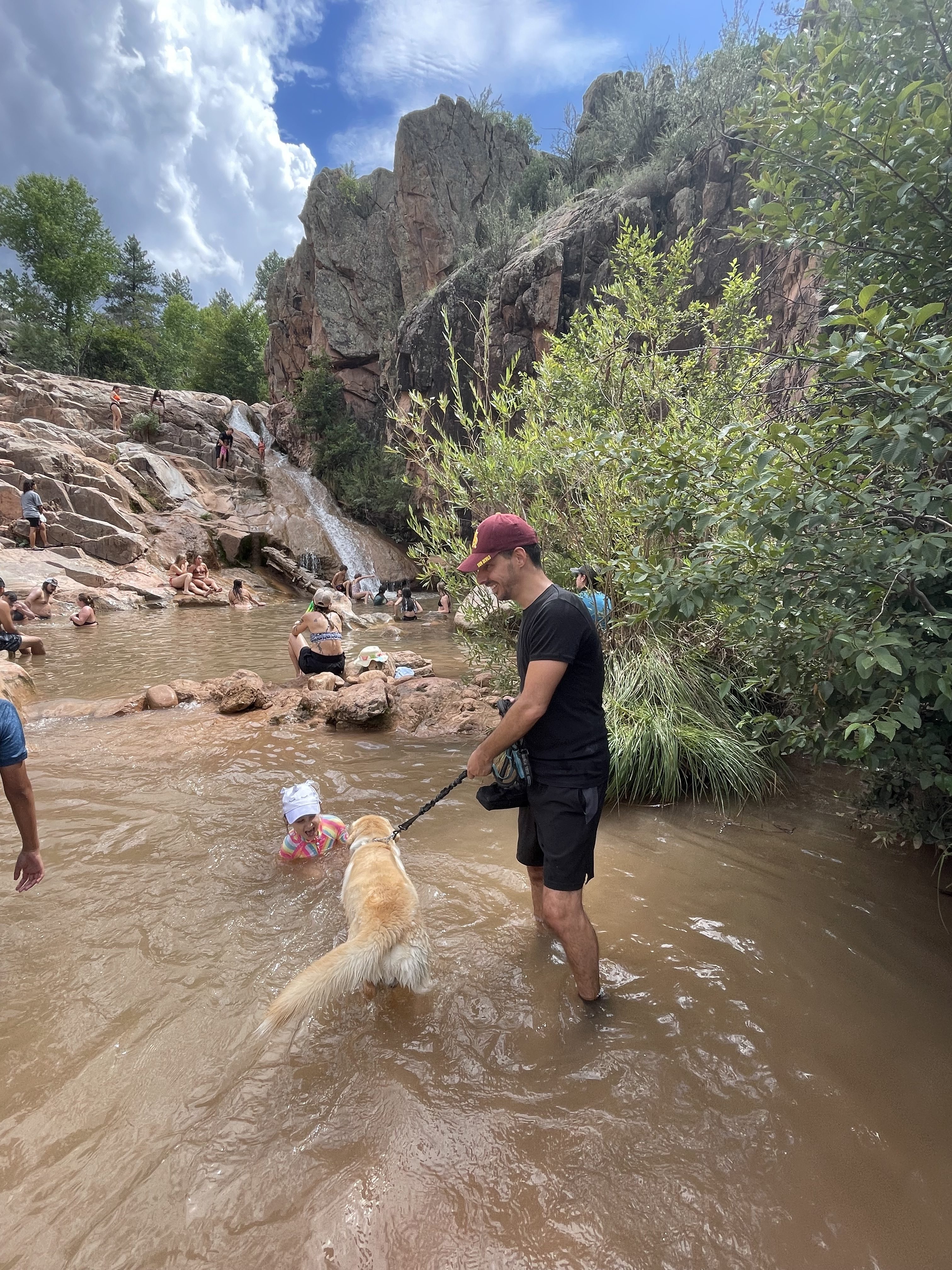
Water Wheel Falls is a hidden gem near Payson, Arizona, known for its picturesque waterfalls, crystal-clear pools, and scenic canyon views. The trail to Water Wheel Falls is approximately 1.5 miles round trip and is considered moderately easy, making it a great hike for families and casual adventurers.
Why It’s Special:
Water Wheel Falls is special due to its tranquil setting and the chance to swim in the cool waters beneath the falls—a perfect escape from the Arizona heat. It is also popular to slide down the falls due to the smooth rocks. The hike is gorgeous with stunning rocks, forests, and creek crossings along the way.
How to Get There:
From Phoenix, it’s a 2-hour drive to the Falls. And from Payson, it’s just a mere 15-minute drive. The trailhead is located at the Water Wheel Campground. There is a small parking lot adjacent to the trailhead, and you can also park on a pull-off on the side of the road just near the entrance. The trail to Water Wheel Falls is about a mile and a half (round trip) and is pretty easy, making it a great hike for families and casual adventurers.
Water Wheel Falls Tips:
- Wear water shoes to help with the slippery rocks
- Dogs are allowed – our pup had the best time splashing around
- During the summer months, it can get quite busy as a popular destination to beat the summer Arizona heat.
Horseshoe Falls
Horseshoe Falls is another hidden gem deep inside the Tonto National Forest. Contrary to its name, Horseshoe Falls is actually a dam and plays a vital part of the Horseshoe Reservoir, providing water to the Phoenix area. The best time to go is early Spring, late Fall and Winter. Summers are crazy hot, and you might not see the waterfall in action. We went in late December and the weather was fantastic with Fall colors.
Why It’s Special:
The coolest and most surprising part of Horseshoe Falls is that you can walk all the way behind and around it – such an awesome view. You might get a bit wet, but it’s all part of the experience. There are also so many great hiking trails in the area, so spending the day in Tonto Forest is a no-brainer.
How to Get There:
From Phoenix, it’s about an hour and a half drive – about 30 miles from Carefree, Arizona. But take into consideration that the drive is slow because it’s mostly on dirt roads, so it takes a bit longer than you would expect.
Horseshoe Falls Tips:
- 4 wheel drive trucks or vehicles are recommended. I wouldn’t take a small car out on those back roads
- The water isn’t always flowing. Check their website to see the flow level for the day before you head out.
- There is a small parking lot and bathrooms near the falls, but bring toilet paper with you.
- You can also camp in the area with camping sites all along the water.
Seven Falls
Don’t worry, southern Arizona – we didn’t forget about you! Seven Falls, located in Sabino Canyon in Tucson is another stunning waterfall in Arizona to see! It’s sometimes known as the hidden waterfall because it takes quite a trek to reach it. But once you do, you’ll be pleasantly surprised.
Why It’s Special:
A series of cascading pools set against the stunning backdrop of the Sonoran Desert. There are tons of Saguaro cacti leading to the falls, and it’s always stunning to see the contrast of the two.
How to Get There:
From the Sabino Canyon Visitor Center, it’s about an 8-mile hike to Seven Falls. There is an $8 fee for entering the Sabino Canyon.
Seven Falls Tips:
- Best visited in Spring after snowmelt or rainfall.
- Carry extra water and wear sunscreen, as the trail offers little shade.
- Be extremely careful if you go after rain with flash floods possible.
- Start early in the morning to avoid being stuck in the desert after dark.
Tanque Verde Falls
Another stunning falls in Tucson, Arizona, Tanque Verde Falls is located inside the Coronado National Forest, just east of Tanque Verde. It’s a popular hike in the area, so you’ll probably be joined with other hikers along the trail.
Why It’s Special:
Tanque Verde Falls is a seasonal waterfall surrounded by rugged desert landscapes, so there are certain times of the year when you’ll have the chance to see the water. There are also small pools and smaller waterfalls in the surrounding area.
How to Get There:
From Tucson, it’s a 45-minute drive east to the Falls. The Tanque Verde Falls trailhead does have a small dirt parking lot and is considered a challenging 2-mile hike from the trailhead.
Tanque Verde Tips:
- The best time to see the waterfalls is after rainfall or snowmelt.
- Be cautious of flash floods and always check the weather report.
- Swimming is possible, but be aware of slippery rocks.
- Beginner hikers should reconsider this hike because of the challenging terrain.
Located inside the White Mountain Apache Reservation, Cibecue Falls is a less-popular fall but don’t think it’s less impressive.
Why It’s Special:
A breathtaking hidden waterfall with an emerald pool surrounded by towering canyon walls. Seriously stunning!
How to Get There:
Cibecue Falls is about a 3-hour drive from Phoenix. It can be a rough ride when you reach closer to the falls, so a 4-wheel drive vehicle is recommended. Once you reach the trailhead, the hike to the Cibecue Fall is a 3-mile hike along the Cibecue Creek.
Cibecue Falls Tips:
- A Permit is required from the White Mountain Apache Tribe.
- With multiple creek crossings along the hike, it’s smart to wear water shoes.
- Flash floods can occur, so check weather conditions before visiting.
- Swimming in the water near the Falls is prohibited.
Grand Falls aka Chocolate Falls
The Grand Falls is located 30 miles East of Flagstaff, and truly a once in a lifetime sight. The waterfall sits on Navajo Nation in the Painted Desert, and because it is closed, it is actively enforced. So please do not attempt to go there.
Why It’s Special:
Grand Falls, also called Chocolate Falls due to its muddy, chocolate-colored water, is one of the most impressive seasonal waterfalls in Arizona, cascading 181 feet (taller than Niagara Falls!). Unfortunately, because of disrespect to the land by visitors, it was closed to the public by the Reservation, but I’m still adding it to the list because hopefully, one day it will open again.
How to Get There:
Arriving at the Chocolate Falls is no easy task. It’s only accessible by a 10-mile dirt road off Highway 89, 30 minutes east of Flagstaff.
Chocolate Falls Tips (if it opens again):
- Best time to visit is March-April when snowmelt from the White Mountains fills the falls.
- High-clearance vehicles recommended due to the rough road conditions.
- Bring a picnic and enjoy the scenic views.
- A permit is required when it opens again.
Tips for Chasing Waterfalls in Arizona
- Check Permits & Regulations: Many of the waterfalls in Arizona require permits. Research ahead of time to avoid surprises.
- Go during the RIGHT Season: Many waterfalls are seasonal and are best seen after monsoon rains (July-September) or snowmelt (spring).
- Pack Smart: Bring plenty of water, snacks, sunscreen, proper footwear, swimsuits, and waterproof bags.
- Respect Nature: Follow Leave No Trace principles, and be mindful of wildlife and natural habitats.
- Watch for Flash Floods: Arizona’s canyons can experience sudden flash floods—ALWAYS check weather conditions before visiting.
Is Chasing Waterfalls in Arizona Worth it?
Arizona is home to some of the most breathtaking waterfalls in the Southwest, each offering a unique experience from towering cascades to serene, hidden gems. Whether you’re looking for an epic adventure in Havasupai or a quick day hike to Seven Falls, these destinations will leave you in awe. So of course, chasing waterfalls in Arizona is worth it!
Grab your hiking boots, pack your swimsuit, and get ready to explore Arizona’s stunning waterfalls!

